SATRIA88 GAME ONLINE GRATIS X POWERFUL DUA FOR RIZQ tampil sebagai Game Online Gratis yang dirancang untuk pengalaman bermain praktis dan aman. Platform ini menghadirkan akses cepat, antarmuka ringan, dan layanan customer service aktif 24 jam untuk mendukung setiap sesi permainan SATRIA88 Game Online Gratis x Powerful Dua for Rizq: Authentic Islamic Supplications.
Sebagai situs resmi, SATRIA88 GAME ONLINE GRATIS X POWERFUL DUA FOR RIZQ menghadirkan berbagai pilihan Situs Game Online dengan performa server stabil, metode transaksi fleksibel, dan bonus yang relevan dengan kebutuhan pemain aktif. Setiap fitur disusun agar pemain dapat fokus mengejar peluang maxwin tanpa hambatan teknis.
Pengalaman bermain di satria88 game online gratis x powerful dua for rizq semakin nyaman dengan pola permainan transparan dan tips manajemen modal yang mudah diterapkan. Pemain yang ingin eksplorasi Game Online terkait SATRIA88 Game Online Gratis x Powerful Dua for Rizq: Authentic Islamic Supplications bisa langsung memulai dari halaman resmi SATRIA88 GAME ONLINE GRATIS X POWERFUL DUA FOR RIZQ dan menyesuaikan strategi sesuai gaya bermain masing-masing.
SATRIA88 GAME ONLINE GRATIS X POWERFUL DUA FOR RIZQ — Dua for Rizq: Powerful Islamic Supplications for Sustenance, Wealth, and Barakah
Every person desires a life filled with ease, stability, and blessings. Whether someone is seeking a new job, trying to grow a business, struggling with financial challenges, or simply hoping for more peace in life, the concept of rizq occupies a central place in Islam. Rizq is not limited to money alone. It includes health, family, knowledge, opportunities, happiness, time, and every blessing that Allah grants His servants. Muslims believe that Allah is the ultimate provider, and turning to Him through sincere supplication is one of the most effective ways to seek abundance and blessings.
The beauty of Islam lies in its balance between effort and reliance upon Allah. A believer works hard, seeks lawful means of income, develops skills, and pursues opportunities while simultaneously making heartfelt dua. Just as a farmer plants seeds and trusts Allah for rain, Muslims strive in their worldly affairs while seeking divine assistance. This combination creates a powerful mindset that promotes both productivity and spiritual peace. Understanding the significance of dua for rizq can transform the way we view wealth, success, and sustenance.
In today’s fast-paced world, financial worries affect millions of people. Rising expenses, economic uncertainty, and career challenges can create anxiety and stress. Islam offers timeless guidance that helps believers maintain hope and trust regardless of circumstances. Through authentic duas, Quranic teachings, and righteous actions, Muslims can strengthen their connection with Allah and invite greater barakah into their lives. This article explores the most powerful duas for rizq, their meanings, and practical ways to seek Allah’s blessings.
Understanding Rizq in Islam
What Does Rizq Mean?
The Arabic word rizq refers to every form of provision granted by Allah. While many people immediately associate rizq with money, Islamic teachings present a much broader perspective. A loving spouse, obedient children, good health, beneficial knowledge, supportive friends, and even inner peace are all forms of rizq. Every blessing that enters a person’s life is part of Allah’s divine provision.
This comprehensive understanding helps Muslims avoid the trap of measuring success solely through financial wealth. Consider two individuals: one may possess significant wealth but lack health and happiness, while another may have modest earnings yet enjoy contentment, strong family relationships, and peace of mind. Islam teaches that true prosperity includes both material and spiritual blessings. When believers understand this broader definition, they begin to appreciate countless blessings that often go unnoticed.
The Quran repeatedly reminds believers that Allah controls all provision. No person can increase or decrease another person’s rizq except by Allah’s permission. This belief cultivates gratitude and reduces envy. Instead of constantly comparing themselves to others, Muslims learn to focus on their own journey and trust in Allah’s wisdom. Recognizing that rizq comes from Allah also encourages sincerity in worship and reliance upon Him during times of difficulty.
Types of Rizq Beyond Money
Many people unknowingly receive tremendous amounts of rizq every day without realizing it. The ability to wake up healthy in the morning is a blessing. Having access to clean water, nutritious food, and shelter represents another form of provision. Even the opportunity to perform acts of worship is considered a gift from Allah.
Knowledge is among the most valuable forms of rizq. A person who gains beneficial knowledge possesses a treasure that can improve every aspect of life. Similarly, righteous companionship can guide individuals toward success in both this world and the Hereafter. Emotional stability, mental clarity, and spiritual contentment are also priceless blessings.
Understanding these various forms of rizq changes the way believers make dua. Instead of focusing exclusively on financial gain, they begin asking Allah for comprehensive blessings. They seek wealth that brings benefit, health that enables worship, knowledge that increases wisdom, and relationships that strengthen faith. Such balanced supplications reflect the holistic approach encouraged by Islamic teachings.
Why Muslims Make Dua for Rizq
The Connection Between Faith and Provision
Dua serves as one of the strongest expressions of faith. When Muslims raise their hands in supplication, they acknowledge their dependence upon Allah and recognize His complete control over all affairs. This act demonstrates humility, trust, and hope. Even when circumstances appear difficult, dua reminds believers that Allah’s mercy and power are limitless.
Financial challenges often create feelings of helplessness. A person may submit numerous job applications, invest significant effort in a business, or work long hours without seeing immediate results. During such moments, dua becomes a source of strength. It shifts attention away from limitations and redirects focus toward the One who can create opportunities from unexpected sources.
Islam encourages believers to combine practical effort with sincere supplication. Making dua does not mean abandoning responsibility. Rather, it complements hard work. Just as a sailor uses both the wind and the sail to navigate the sea, a Muslim relies on both personal effort and divine assistance to achieve success.
Allah as Ar-Razzaq, The Ultimate Provider
One of Allah’s beautiful names is Ar-Razzaq, meaning The Provider. This name highlights Allah’s role as the source of all sustenance. Every meal consumed, every paycheck earned, and every blessing enjoyed ultimately originates from Him. Reflecting upon this divine attribute strengthens trust and reduces fear regarding the future.
When believers understand Allah as Ar-Razzaq, they become more confident during periods of uncertainty. They realize that economic conditions, employers, customers, and markets are merely means through which Allah distributes provision. The true source remains Allah alone. This perspective fosters optimism and perseverance.
Trusting Allah’s provision does not eliminate challenges, but it transforms how they are experienced. Difficulties become opportunities to deepen faith and strengthen reliance upon Him. Muslims learn to pursue lawful means of earning while maintaining certainty that Allah will provide what is best for them at the right time.
Most Powerful Dua for Rizq
Authentic Dua from the Sunnah
One of the most well-known supplications for sustenance is:
Allahumma ikfini bihalalika ‘an haramika wa aghnini bifadlika ‘amman siwaka.
Translation: “O Allah, suffice me with what You have made lawful instead of what You have forbidden, and make me independent by Your bounty from all others.”
This beautiful dua emphasizes not only seeking provision but also ensuring that it comes through lawful means. Islam places great importance on halal earnings because wealth obtained through permissible sources brings blessings and peace of mind.
Another beneficial supplication is:
Allahumma inni as’aluka ilman nafi’an, wa rizqan tayyiban, wa amalan mutaqabbalan.
Translation: “O Allah, I ask You for beneficial knowledge, pure provision, and accepted deeds.”
This dua highlights the interconnected nature of knowledge, sustenance, and righteous actions. Together, these blessings create a foundation for success in both worldly and spiritual matters.
Arabic Text, Transliteration, and Translation
Including Arabic text in daily worship strengthens the connection with authentic Islamic sources. Many Muslims memorize these duas and recite them regularly after prayers, during Tahajjud, or whenever they feel concerned about provision.
Consistency is often more important than quantity. A short dua recited sincerely every day can have a profound impact on a believer’s spiritual state. Rather than treating supplications as mere rituals, Muslims should reflect upon their meanings and recite them with conviction. The heart’s presence during dua enhances sincerity and strengthens one’s relationship with Allah.
Regular remembrance also cultivates gratitude. As believers continue making dua for rizq, they become more aware of existing blessings. This awareness creates a positive cycle where gratitude attracts further blessings and strengthens faith.
Quranic Verses Related to Rizq
Surah At-Talaq and Trust in Allah
Among the most powerful Quranic passages regarding provision is found in Surah At-Talaq:
“And whoever fears Allah – He will make for him a way out and will provide for him from where he does not expect.”
This verse offers immense comfort to believers facing uncertainty. It teaches that taqwa, or consciousness of Allah, plays a vital role in attracting divine assistance. When Muslims prioritize obedience and avoid prohibited actions, they open doors to unexpected opportunities and blessings.
The phrase “from where he does not expect” carries a profound message. Human beings often limit their thinking to visible possibilities, but Allah’s wisdom extends far beyond human imagination. A job offer, business opportunity, partnership, or solution may arrive through completely unforeseen channels. This understanding encourages patience and optimism.
Reflecting upon this verse also helps believers maintain ethical standards. Instead of compromising principles for short-term gain, they trust that Allah can provide lawful alternatives. Such trust protects both faith and character.
Surah Adh-Dhariyat and Divine Provision
Another remarkable verse states:
“And in the heaven is your provision and whatever you are promised.”
This verse reinforces the idea that provision ultimately originates from Allah’s decree. While people must exert effort, the results remain in His hands. Such understanding prevents arrogance during times of abundance and despair during periods of hardship.
The Quran consistently connects provision with gratitude, faith, and obedience. By studying these verses, believers gain a deeper appreciation for Allah’s generosity and wisdom. Quranic reflection transforms the pursuit of wealth from a purely material endeavor into a spiritual journey guided by faith.
Best Times to Make Dua for Rizq
During Tahajjud
Tahajjud, the voluntary night prayer, represents one of the most powerful times for supplication. The quietness of the night creates an environment conducive to reflection, sincerity, and concentration. During these moments, distractions fade away, allowing believers to communicate with Allah more deeply.
Many scholars emphasize the special status of the last third of the night. It is a time when prayers are more readily accepted and hearts become more receptive. Those seeking increased rizq often find comfort and spiritual strength in regularly performing Tahajjud and making heartfelt supplications.
The discipline required for Tahajjud also develops qualities such as patience, consistency, and self-control. These characteristics contribute not only to spiritual growth but also to success in worldly endeavors.
Between Adhan and Iqamah
Another highly recommended time for dua occurs between the call to prayer and the commencement of congregational prayer. Islamic teachings describe this period as particularly blessed. Muslims are encouraged to use these moments wisely by remembering Allah and making sincere supplications.
Consistency in utilizing these special times strengthens spiritual habits. Rather than waiting for crises to make dua, believers cultivate a regular pattern of supplication. Over time, this habit nurtures a deeper sense of trust and dependence upon Allah.
Actions That Increase Rizq
Seeking Forgiveness Regularly
Istighfar, or seeking Allah’s forgiveness, occupies a special place in Islamic teachings regarding provision. The Quran mentions that seeking forgiveness can lead to increased blessings, wealth, and opportunities. Repentance cleanses the heart and removes spiritual barriers that may hinder blessings.
Many successful Muslims throughout history maintained a consistent practice of istighfar. They viewed it not only as a means of seeking forgiveness but also as a way to invite Allah’s mercy. Reciting phrases such as “Astaghfirullah” regularly can become a powerful spiritual habit.
The connection between repentance and provision highlights Islam’s holistic approach. Spiritual purification influences every area of life, including financial well-being and personal growth.
Maintaining Family Ties
Islam strongly emphasizes maintaining relationships with relatives. Numerous authentic narrations indicate that strengthening family ties can increase blessings in both lifespan and provision. Acts of kindness toward family members create harmony and invite divine favor.
In a world where many relationships are strained by misunderstandings and busy schedules, prioritizing family connections becomes even more important. A simple phone call, visit, or gesture of support can strengthen bonds and contribute to a more fulfilling life.
Family relationships also provide emotional support during difficult times. Strong connections create networks of encouragement that help individuals navigate challenges more effectively.
Giving Charity
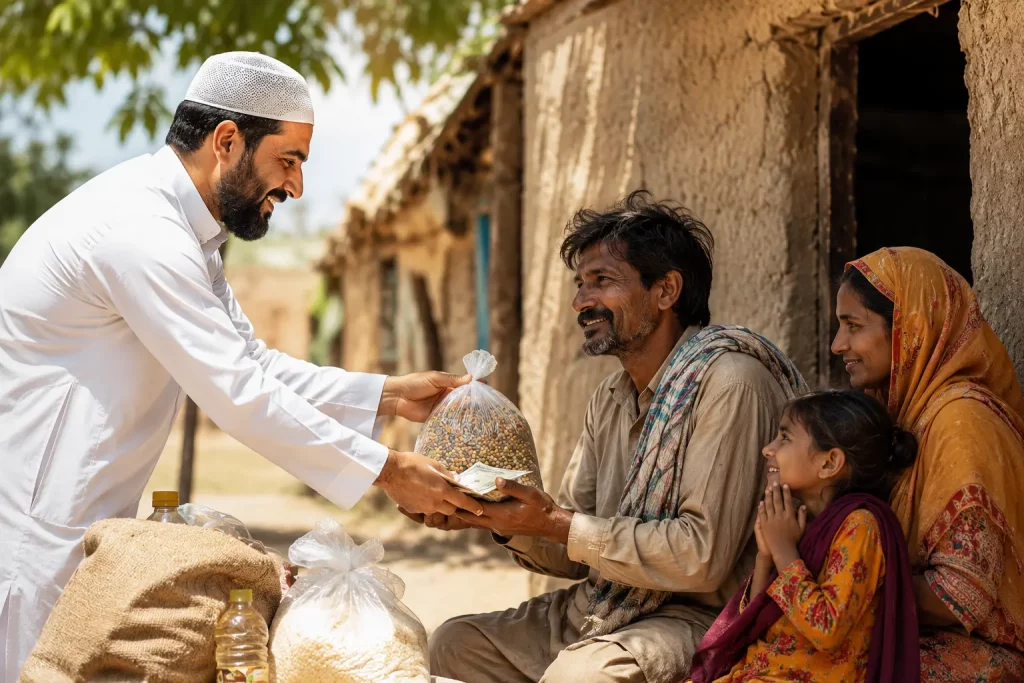
At first glance, giving away money might seem contradictory to increasing wealth. Yet Islamic teachings repeatedly emphasize that charity brings blessings and does not diminish wealth in the sight of Allah. Charity purifies the heart from greed and demonstrates trust in Allah’s promise of reward.
Those who give generously often experience benefits beyond financial returns. Charity fosters gratitude, compassion, and social responsibility. It also strengthens communities by helping those in need.
Many believers report experiencing unexpected opportunities and blessings after adopting a habit of regular charity. While outcomes may vary, the spiritual benefits remain universally valuable.
Common Mistakes When Asking for Rizq
Impatience in Dua
One of the most common mistakes is expecting immediate results. Modern culture often promotes instant gratification, but spiritual growth frequently requires patience. Dua is not a transaction; it is an act of worship and trust.
Believers should continue making sincere supplications even when results are not immediately visible. Sometimes Allah grants exactly what is requested. At other times, He provides something better or delays fulfillment for reasons beyond human understanding.
Patience transforms the process of waiting into an opportunity for spiritual development. Instead of becoming discouraged, Muslims learn to trust Allah’s timing.
Neglecting Halal Earnings
Seeking increased provision while ignoring ethical principles creates a contradiction. Islam emphasizes the importance of earning through lawful means. Wealth acquired through dishonesty, exploitation, or prohibited activities lacks true barakah.
A halal income brings peace of mind and spiritual satisfaction. Even if earnings appear modest, they often provide greater contentment than larger amounts obtained through questionable means. Prioritizing integrity protects both faith and long-term well-being.
Benefits of Reciting Dua for Rizq Daily
Benefit
Description
Stronger Faith
Increases reliance upon Allah
Inner Peace
Reduces anxiety about finances
Gratitude
Encourages appreciation of blessings
Spiritual Growth
Strengthens connection with Allah
Positive Mindset
Promotes hope and optimism
Barakah
Invites divine blessings into daily life
Daily recitation of dua creates consistency in worship and reinforces trust in Allah. Over time, believers develop greater awareness of blessings and a more balanced perspective on wealth. Instead of obsessing over material gain, they learn to seek comprehensive success that includes faith, family, health, and happiness.
Conclusion
Dua for rizq is far more than a request for financial prosperity. It represents a profound act of faith that acknowledges Allah as the ultimate provider of every blessing. By understanding the true meaning of rizq, reciting authentic supplications, reflecting on Quranic teachings, and adopting righteous habits such as charity, repentance, and maintaining family ties, Muslims can invite greater barakah into their lives.
The pursuit of provision should never be separated from spiritual growth. Wealth without gratitude can become a burden, while modest means accompanied by contentment can bring immense happiness. Through sincere dua, consistent effort, and unwavering trust in Allah, believers can navigate life’s challenges with confidence and hope.
1. What is the most powerful dua for rizq?
One of the most authentic duas is: “Allahumma ikfini bihalalika ‘an haramika wa aghnini bifadlika ‘amman siwaka,” which asks Allah for lawful provision and independence through His bounty.
2. How many times should I recite dua for rizq?
There is no fixed number. Consistency and sincerity are more important than quantity. Many Muslims recite these supplications daily after prayers.
3. Can dua alone increase rizq?
Islam teaches that dua should be combined with effort. Believers are encouraged to work hard, seek lawful opportunities, and trust Allah for results.
4. Does charity really increase rizq?
Yes, Islamic teachings emphasize that charity brings blessings and does not decrease wealth. It invites Allah’s mercy and barakah.
5. What is the best time to make dua for rizq?
The last third of the night during Tahajjud and the period between Adhan and Iqamah are among the most recommended times for supplication.
Learn the authentic Ghar Se Nikalne Ki Dua in Arabic with English translation, transliteration, meaning, benefits, and hadith references. Discover why Muslims recite this powerful supplication before leaving home and how it brings Allah’s protection, guidance, and blessings in daily life.
Power of dua for forgiveness (Istighfar) and how it can transform your life spiritually, emotionally, and mentally. This guide explains the meaning of Istighfar, its importance in Islam, powerful supplications like Sayyidul Istighfar, and the best times to seek Allah’s mercy. Learn how simple daily duas can bring peace, remove sins, and open doors of blessings in your life.
Learn the full Azan Ke Baad Ki Dua in Arabic, English, and Urdu translation with authentic hadith references, benefits, pronunciation, and the Sunnah way to recite the dua after adhan for blessings and intercession.
Learn the authentic Humbistari Ki Dua in Arabic with English translation, transliteration, Hadith references, benefits, and Islamic etiquettes for married couples. Discover the spiritual importance of reciting this Sunnah dua before intimacy in Islam.
Exams can be super stressful, and everyone wants a little help to do well. In Islam, we have duas (prayers) that can chill us out, help us focus, and ask Allah for success. I’m going to share some duas for doing well on exams, plus some tips to get your head and heart in the right place.