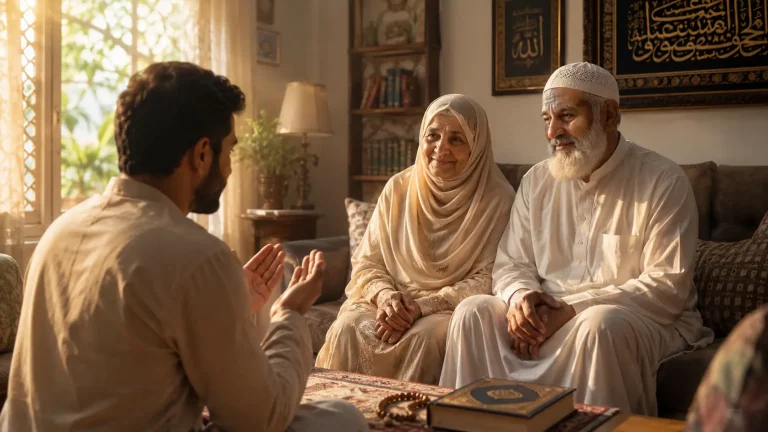

Dua for Forgiveness: Cleanse Your Heart and Soul
What is Dua for Forgiveness (Istighfar)?
Meaning of Istighfar in Islam
When you hear the phrase dua for forgiveness, it’s more than just words whispered under your breath it’s a deeply spiritual act known as Istighfar. In Islam, Istighfar means seeking forgiveness from Allah for sins, mistakes, and shortcomings. It’s not just about saying “Astaghfirullah” repeatedly; it’s about recognizing your flaws, feeling remorse, and sincerely turning back to Allah.
Humans are imperfect by design. We slip, we forget, and sometimes we knowingly make mistakes. But here’s the beautiful part: Islam doesn’t leave you stranded in guilt. Instead, it offers a powerful reset button through forgiveness. According to Islamic teachings, Allah is Al-Ghafoor (The Most Forgiving) and invites believers to seek His mercy regularly.
Why Humans Need Forgiveness Daily
Think of your heart like a mirror. Every sin leaves a small stain. Over time, those stains can cloud your clarity, your peace, and your connection with Allah. That’s where Istighfar comes in it cleanses the heart, restores your spiritual focus, and brings inner peace.

Even the Prophet Muhammad (peace be upon him), who was sinless, used to seek forgiveness frequently sometimes over 100 times a day. This shows that seeking forgiveness isn’t just for sinners it’s for everyone aiming to stay spiritually strong.
Importance of Seeking Forgiveness in Islam
Quranic Perspective on Forgiveness
The Quran consistently emphasizes forgiveness as a pathway to success. Allah commands believers to seek forgiveness, reminding them that He is always ready to forgive. One powerful message states that seeking forgiveness can even protect people from punishment and bring blessings into their lives.
This isn’t just a ritual it’s a direct line to divine mercy. Imagine having access to a source of unlimited forgiveness anytime you need it. That’s exactly what dua provides.
Hadith About Forgiveness
The Prophet Muhammad (PBUH) highlighted the importance of forgiveness in many sayings. One of the most powerful hadith mentions a specific dua known as Sayyidul Istighfar, calling it the best supplication for forgiveness. Whoever recites it sincerely is promised immense rewards, even Paradise.
That’s not just motivation it’s a guarantee of hope.
Benefits of Reciting Dua for Forgiveness
Spiritual Benefits
When you regularly recite a dua for forgiveness, you’re essentially strengthening your connection with Allah. It’s like charging your spiritual battery. You feel lighter, closer to your Creator, and more conscious of your actions.
Seeking forgiveness also purifies your soul. It removes the burden of guilt and replaces it with peace and clarity.
Emotional and Mental Benefits
Let’s be real guilt can eat you alive. It creates anxiety, stress, and even depression. But when you sincerely ask for forgiveness, something shifts. You feel relief. You feel hope.
Many scholars explain that Istighfar brings emotional healing because it allows you to let go of your past and focus on becoming better.
Worldly Benefits
Here’s something interesting: Istighfar isn’t just about the afterlife. It also impacts your worldly life. Islamic teachings mention that seeking forgiveness can:
- Increase provision (rizq)
- Bring ease in hardships
- Open doors of opportunities
- Protect from difficulties
- It’s like unlocking blessings you didn’t even know were waiting.
Best Dua for Forgiveness (Sayyidul Istighfar)
Arabic Text
“اللَّهُمَّ أَنْتَ رَبِّي لا إِلَهَ إِلا أَنْتَ، خَلَقْتَنِي وَأَنَا عَبْدُكَ، وَأَنَا عَلَى عَهْدِكَ وَوَعْدِكَ مَا اسْتَطَعْتُ، أَعُوذُ بِكَ مِنْ شَرِّ مَا صَنَعْتُ، أَبُوءُ لَكَ بِنِعْمَتِكَ عَلَيَّ، وَأَبُوءُ لَكَ بِذَنْبِي فَاغْفِرْ لِي فَإِنَّهُ لا يَغْفِرُ الذُّنُوبَ إِلا أَنْتَ”
Transliteration and Translation
“O Allah, You are my Lord. There is no deity except You. You created me, and I am Your servant… Forgive me, for none forgives sins except You.”
This dua is called the master of forgiveness for a reason. It combines humility, acknowledgment of blessings, and admission of sins all in one powerful supplication.
Simple Daily Duas for Forgiveness
Astaghfirullah
Sometimes, simplicity is powerful. Just saying Astaghfirullah (I seek forgiveness from Allah) regularly can transform your life. Many scholars recommend repeating it at least 100 times daily for maximum benefit.
Rabbighfirli Warhamni
Another beautiful dua is:
“My Lord, forgive me and have mercy on me, for You are the best of those who show mercy.”
Short, easy, and incredibly meaningful.
Quranic Duas for Forgiveness
Surah Al-Baqarah Dua
One of the most comprehensive duas from the Quran asks Allah not to burden us beyond our capacity and to forgive our mistakes.
It’s a reminder that Allah understands human limitations.
Other Quranic Verses
Many verses include powerful supplications for forgiveness, often paired with mercy. These duas highlight a key message: forgiveness isn’t just about wiping sins it’s about gaining Allah’s love.
When to Recite Dua for Forgiveness
Morning and Evening
Reciting forgiveness duas in the morning and evening acts like spiritual protection. It sets the tone for your day and cleanses your night.
After Salah
Right after prayer is one of the best times to seek forgiveness. Your heart is already connected, making your dua more sincere.

During Tahajjud
Late at night, when the world is quiet, your dua becomes more powerful. This is the time when Allah’s mercy is closest.
How to Make Dua for Forgiveness Properly
Steps of Making Effective Dua
- Start by praising Allah
- Send blessings upon the Prophet
- Admit your mistakes
- Ask sincerely for forgiveness
- Have full faith that Allah will forgive
Common Mistakes to Avoid
Many people rush through dua without feeling it. Others repeat words without understanding them. The key is sincerity not just repetition.
Powerful Habits to Increase Forgiveness
Consistency in Istighfar
Consistency beats intensity. Even small daily efforts can lead to massive spiritual growth.
Repentance with Sincerity
True repentance requires three things:
- Feeling regret
- Stopping the sin
- Intending not to return
Without these, forgiveness becomes just words.
Dua for Forgiveness of Major and Minor Sins
Islam makes it clear no sin is too big if you sincerely repent. Whether it’s a small mistake or a major wrongdoing, Allah’s mercy is always greater.
Dua for Forgiveness for Parents and Loved Ones
Islam encourages praying not just for yourself but also for others. Asking forgiveness for your parents is considered a noble act and brings blessings into your life.
Signs That Your Dua is Accepted
You might wonder, “How do I know my dua worked?”
Look for these signs:
- You feel peace afterward
- You avoid repeating the sin
- Your life starts improving
- You feel closer to Allah
Common Misconceptions About Forgiveness
Some people think:
- “My sins are too big”
- “I’ve repeated the same mistake too many times”
But Islam teaches the opposite. Allah’s mercy is limitless. As long as you’re alive, forgiveness is always available.
Role of Forgiveness in Personal Growth
Forgiveness isn’t just spiritual it’s transformative. It shapes your character, builds humility, and helps you become a better person.
Think of it like cleaning your internal system. The more you cleanse it, the better you function.
Conclusion
The beauty of a dua for forgiveness lies in its simplicity and power. It’s your direct connection to Allah no barriers, no conditions. Whether you’ve made small mistakes or serious errors, the door of forgiveness is always open.
So why wait? Start today. Whisper a simple “Astaghfirullah” and feel the difference. Because sometimes, the smallest words carry the biggest transformations.
1. How many times should I read Astaghfirullah daily?
There’s no fixed number, but many scholars recommend at least 100 times daily for maximum benefit.
2. Can Allah forgive all sins?
Yes, Allah forgives all sins if you sincerely repent.
3. What is the best time to make dua for forgiveness?
The best times include after Salah, during Tahajjud, and in the morning and evening.
4. Is Sayyidul Istighfar the best dua?
Yes, it is considered the most powerful dua for forgiveness in Islam.
5. Can I make dua in my own language?
Absolutely. You can ask for forgiveness in any language—what matters is sincerity.