Surah Waqiah Benefits: Powerful Rewards and Complete Guide
Surah Waqiah Benefits – Complete Guide
What is Surah Waqiah?
Overview of Surah Al-Waqiah
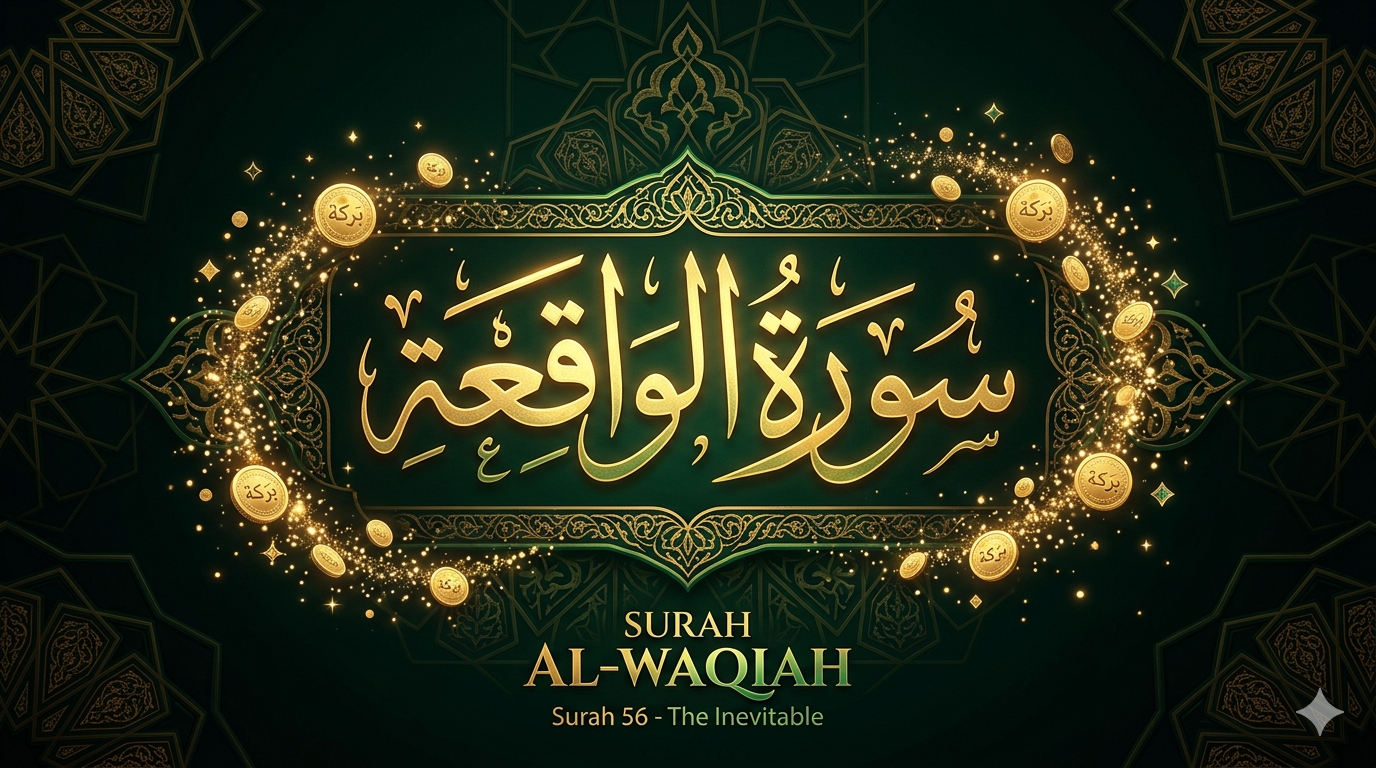
Surah Waqiah is one of the most spiritually powerful chapters of the Quran, often referred to as “the Surah of Wealth” by many believers. It is the 56th Surah of the Holy Quran and contains deep reflections about the Day of Judgment, تقسيم (division) of people, and ultimate reality. The name “Waqiah” itself means “The Inevitable Event,” referring to the Day of Resurrection something that cannot be avoided or denied.
When you read this Surah, it feels like a vivid scene unfolding in front of you. It describes three groups of people: the righteous, the أصحاب اليمين (people of the right), and the أصحاب الشمال (people of the left). This powerful imagery shakes the heart and reminds you of accountability in a very real way.
Its Place in the Quran
Surah Waqiah holds a unique place because it not only focuses on the hereafter but also touches on worldly matters like sustenance (رزق). That’s why it has become widely associated with financial stability and blessings in livelihood. While many people focus on material benefits, the deeper message is about belief, gratitude, and preparing for the eternal life.
Why Surah Waqiah is So Powerful
Meaning and Message
At its core, Surah Waqiah is about reality pure, unavoidable truth. It strips away illusions and reminds you that life is temporary. Imagine someone pulling back a curtain and showing you exactly what lies ahead. That’s what this Surah does.
It constantly asks you to reflect: Where do you stand? Are your actions aligning with your beliefs? This kind of reflection creates a deep internal shift, which is why regular recitation can feel transformative.
Connection to (Sustenance)
One of the most talked-about aspects of Surah Waqiah is its connection to رزق. Many scholars and traditions emphasize that reciting it regularly can help prevent poverty. But here’s the key insight: it’s not just about money.
It’s about barakah blessing in what you already have. You might not suddenly become rich overnight, but you’ll notice your needs being fulfilled in unexpected ways. It’s like having a small cup that never runs empty.
Benefits of Surah Waqiah
Protection from Poverty
One of the most widely shared benefits is protection from poverty. There is a famous narration often quoted:
“Whoever recites Surah Waqiah every night will never suffer from poverty.”
While scholars discuss the strength of this narration, the concept itself is deeply rooted in Islamic teachings turning to Allah regularly brings provision.
Spiritual Peace and Barakah
Life today is full of stress, right? Between work, family, and endless responsibilities, peace can feel out of reach. Reciting Surah Waqiah daily acts like a mental reset. It grounds you and brings calmness.
You’ll notice your heart becoming lighter, your thoughts clearer, and your worries less overwhelming. That’s the power of spiritual connection.
Strengthening Faith (Iman)
This Surah doesn’t just comfort it challenges you. It reminds you of accountability and the temporary nature of this world. Over time, this builds stronger Imaan because you start living with awareness.
Benefits of Reading Surah Waqiah After Maghrib
Why After Maghrib is Recommended
Many people specifically ask about reading Surah Waqiah after Maghrib. While there is no strict obligation, this timing has become popular because it fits naturally into daily routine.
After Maghrib, your day is slowing down. It’s a perfect moment to reflect, recite, and reconnect. Think of it as closing your day with a spiritual recharge.
Daily Routine Practice
Consistency is key. Reading it daily even once can have a powerful long-term impact. You don’t need to overcomplicate it. Just sit down after Maghrib, recite slowly, and reflect on the meanings.
Reciting Surah Waqiah 41 Times Benefits
Reality vs Misconceptions
You might have heard people say to recite Surah Waqiah 41 times for specific benefits. Here’s the honest truth: there is no authentic Hadith that prescribes this exact number.
That doesn’t mean reciting it multiple times is wrong but attaching guaranteed outcomes to specific numbers without evidence can be misleading. Islam emphasizes sincerity over quantity.
When to Read Surah Waqiah
Best Time According to Scholars
There’s flexibility in Islam, and that applies here too. You can read Surah Waqiah anytime. However, many scholars recommend:
- After Maghrib
- Before sleeping
- Early morning
Flexibility in Recitation
Think of it like exercise. The best time is the one you can stick to consistently. Whether it’s morning or night, the key is making it a habit.
Surah Waqiah with Urdu Translation
Importance of Understanding Meaning
Reading without understanding is like listening to a song in a language you don’t know you might enjoy it, but you miss the depth. That’s why Urdu translation is so valuable, especially for readers in Pakistan.
When you understand the message, your connection becomes stronger. The words start to resonate with your daily life.
Surah Waqiah PDF (Urdu Translation)
How to Use PDF for Learning
PDF versions are incredibly useful. You can:
- Read offline anytime
- Highlight important verses
- Share with family and friends
It’s a simple tool, but it can make learning much easier.
Common Mistakes While Reciting
Many people rush through recitation or ignore pronunciation. This reduces the impact. Take your time. Focus on clarity and intention.
Tips to Make Surah Waqiah a Daily Habit
Start small. Even if you read slowly, stay consistent. Pair it with an existing habit like after Maghrib prayer. Over time, it will feel natural.
Spiritual Lessons from Surah Waqiah
This Surah teaches you humility, gratitude, and awareness of the hereafter. It shifts your mindset from temporary gains to eternal success.
Conclusion
Surah Waqiah is more than just a chapter it’s a guide for life. Whether you’re seeking رزق, peace, or stronger faith, this Surah offers all of it. The key is consistency and sincerity.
1. Can Surah Waqiah really prevent poverty?
It is widely believed, but sincerity and trust in Allah are essential.
2. Is it necessary to read after Maghrib?
No, but it’s a convenient and recommended time.
3. Can I read it in translation?
Yes, for understanding but Arabic is afzal for recitation.
4. How long does it take to memorize?
With daily practice, it can be memorized in a few weeks.
5. Is 41 times recitation proven?
No authentic Hadith confirms this number.