
7 Important Hadith About Prayer: Learn & Understand with Trusted Sources
Introduction:
7 Important Hadith About Prayer clearly show how essential Salah is in Islam. Prayer (Salah) is the second pillar of Islam and the most important act of worship after faith. Through these 7 Important Hadith About Prayer, we understand the value of daily prayers, their rewards, and the consequences of neglecting them.
For Muslims in Pakistan, India, and Bangladesh, understanding these 7 Important Hadith About Prayer with translation helps strengthen faith and improve daily religious life. The Prophet Muhammad ﷺ repeatedly emphasized Salah as the foundation of Islam, and these 7 Important Hadith About Prayer highlight its spiritual power and importance.
Why Prayer (Salah) Holds Central Importance in Islam
Spiritual and Daily Impact of Salah
Prayer, or Salah, is not just a ritual in Islam it’s the heartbeat of a Muslim’s daily life. Think about it: five times a day, you pause everything work, stress, conversations and reconnect directly with your Creator. That rhythm creates a structure that keeps your spiritual compass aligned, no matter how chaotic life gets. It’s like having five built-in checkpoints to reset your mindset and intentions.
From an Islamic perspective, Salah is the second pillar of Islam, right after the declaration of faith. That alone tells you how critical it is. But beyond obligation, there’s something deeply personal about it. It cultivates discipline, humility, and mindfulness. Studies in behavioral psychology even suggest that structured daily rituals can significantly improve mental clarity and emotional stability. In a way, Salah mirrors those benefits but adds a profound spiritual dimension.
Now, here’s where hadith about prayer becomes essential. The Qur’an commands prayer, but the Hadith (sayings and actions of Prophet Muhammad ﷺ) explain how to perform it correctly. Without hadith, the practical application of Salah would remain unclear. For example, details like the number of units (rak‘ahs), posture, and recitations are all derived from authentic hadith.
So, when you study hadith about prayer, you’re not just learning theory—you’re refining your daily connection with Allah. It’s like upgrading from basic instructions to expert-level guidance. And once you start applying these teachings, you’ll notice something shift: your prayer stops feeling routine and starts feeling meaningful.
Authentic Hadith About Prayer with Translation and Explanation
Hadith Text (Arabic and English Translation)
Here is one of the most authentic and widely referenced hadith about prayer:
Arabic:
“صَلُّوا كَمَا رَأَيْتُمُونِي أُصَلِّي”
Translation:
“Pray as you have seen me praying.”
— Sahih al-Bukhari (Book of Adhan, Hadith 631)
This concise yet powerful hadith forms the foundation of how Muslims perform Salah today. It’s short, direct, and incredibly profound. In just a few words, the Prophet Muhammad ﷺ established a universal standard for prayer that transcends time and culture.
Explanation and Practical Application
At first glance, this hadith might seem simple. But when you unpack it, it carries immense depth. The Prophet ﷺ is essentially telling his followers that the correct way to pray isn’t based on personal preference—it’s based on observation and imitation of his practice.
So what does that mean for you today?
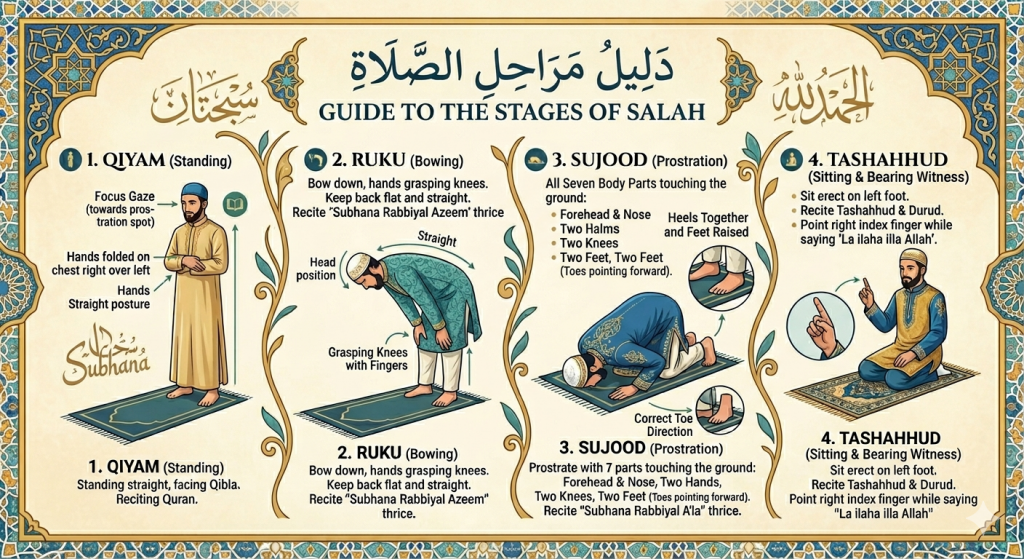
It means that every aspect of your prayer—from standing (qiyam) to bowing (ruku), to prostration (sujood)—should align with authentic narrations. Scholars have spent centuries compiling and verifying these details, ensuring that Muslims worldwide can pray uniformly.
For example:
- Raising hands before and after bowing
- Reciting Surah Al-Fatiha in every rak‘ah
- Sitting calmly between prostrations
All these actions are rooted in hadith.
The beauty of this hadith is its practicality. It’s not abstract theology—it’s actionable guidance. You can literally improve your prayer starting today by studying how the Prophet ﷺ prayed and implementing those steps.
And here’s the real insight: when you follow this hadith, you’re not just performing Salah—you’re embodying a tradition that has been preserved for over 1400 years. That continuity creates a sense of unity among Muslims globally.
Why These Important Hadith About Prayer Matter
Prayer (Salah) is:
- The second pillar of Islam
- A direct connection between servant and Allah
- A purifier of sins
- A protection from evil
- A means to enter Paradise
The Prophet ﷺ repeatedly stressed through authentic hadith about prayer that abandoning Salah leads to spiritual destruction.
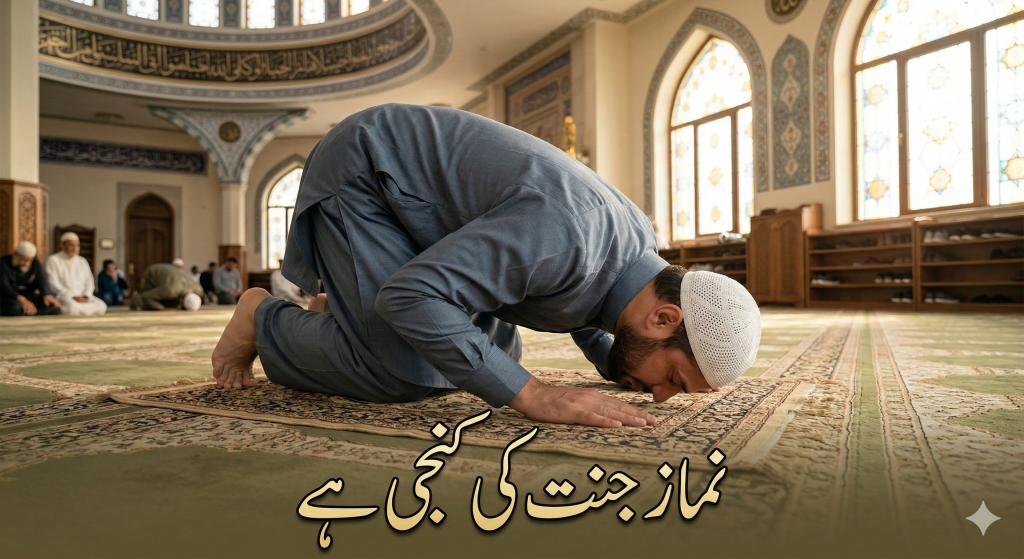
1️⃣ First Deed to Be Judged
إِنَّ أَوَّلَ مَا يُحَاسَبُ بِهِ الْعَبْدُ يَوْمَ الْقِيَامَةِ الصَّلَاةُ
English:
The first deed a servant will be held accountable for on the Day of Judgment is prayer.
Urdu:
قیامت کے دن سب سے پہلے نماز کا حساب لیا جائے گا۔
Hindi:
क़यामत के दिन सबसे पहले नमाज़ का हिसाब होगा।
Bengali:
কিয়ামতের দিনে সর্বপ্রথম নামাজের হিসাব নেওয়া হবে।
(Source: Tirmidhi)
This hadith about prayer proves Salah determines a believer’s success.
2️⃣ Prayer Removes Sins
أَرَأَيْتُمْ لَوْ أَنَّ نَهْرًا بِبَابِ أَحَدِكُمْ…
English:
If there were a river at your door and you bathed in it five times daily, no dirt would remain. Similarly, the five daily prayers wipe away sins.
Urdu:
پانچ وقت کی نماز گناہوں کو مٹا دیتی ہے۔
Hindi:
पाँच वक्त की नमाज़ गुनाहों को मिटा देती है।
Bengali:
পাঁচ ওয়াক্ত নামাজ গুনাহ দূর করে দেয়।
(Bukhari & Muslim)
This powerful hadith about prayer highlights its cleansing effect.
3️⃣ Prayer is Light
الصَّلَاةُ نُورٌ
English:
Prayer is light.
Urdu:
نماز روشنی ہے۔
Hindi:
नमाज़ रोशनी है।
Bengali:
নামাজ আলো।
(Muslim)
This short but powerful hadith about prayer shows that Salah brings spiritual guidance.
4️⃣ Closest to Allah
أَقْرَبُ مَا يَكُونُ الْعَبْدُ مِنْ رَبِّهِ وَهُوَ سَاجِدٌ
English:
The closest a servant comes to his Lord is during prostration.
Urdu:
بندہ سجدے میں اللہ کے سب سے قریب ہوتا ہے۔
Hindi:
सजदे में बंदा अल्लाह के सबसे करीब होता है।
Bengali:
সিজদায় বান্দা আল্লাহর সবচেয়ে নিকটে থাকে।
(Muslim)
5️⃣ Difference Between Belief and Disbelief
الْعَهْدُ الَّذِي بَيْنَنَا وَبَيْنَهُمُ الصَّلَاةُ
English:
The covenant between us and them is prayer; whoever abandons it has disbelieved.
Urdu:
ہمارے اور ان کے درمیان عہد نماز ہے۔ جو اسے چھوڑ دے، اس نے کفر اختیار کیا۔
Hindi:
हमारे और उनके बीच का अहद नमाज़ है। जो इसे छोड़ देता है, वह Kufr में गिर जाता है।
Bengali:
আমাদের এবং তাদের মধ্যে চুক্তি হলো নামাজ। যিনি এটি ত্যাগ করেন, তিনি অবিশ্বাসী।
(Tirmidhi)
This serious hadith about prayer shows how essential Salah is in Islam.
6️⃣ Reward of Congregational Prayer
صَلَاةُ الْجَمَاعَةِ أَفْضَلُ مِنْ صَلَاةِ الْفَذِّ بِسَبْعٍ وَعِشْرِينَ دَرَجَةً
English:
Prayer in congregation is 27 times more rewarding than praying alone.
Urdu:
جماعت کے ساتھ نماز 27 گنا زیادہ افضل ہے۔
Hindi:
जमात के साथ नमाज़ 27 गुना बेहतर है।
Bengali:
জামাতে নামাজ ২৭ গুণ বেশি সওয়াব।
(Bukhari, Muslim)
Step-by-Step Guide to Applying Hadith About Prayer
Building Consistency in Daily Salah
Consistency is where most people struggle. It’s easy to feel motivated after reading a powerful hadith, but maintaining that momentum? That’s the real challenge. The key is to start small and build gradually.
Think of Salah like going to the gym. You wouldn’t expect to lift heavy weights on your first day, right? Similarly, improving your prayer takes time, patience, and repetition.
Start by focusing on one aspect of prayer at a time. Maybe today you perfect your posture in ruku. Tomorrow, you work on slowing down your recitation. Over time, these small improvements compound into a صلاة that feels more focused and fulfilling.
Another effective strategy is linking prayer with daily habits. For example, pray immediately after hearing the adhan instead of delaying it. This reduces the chances of missing or rushing your Salah.
Avoiding Common Mistakes in Prayer
Even sincere efforts can go off track if you’re unaware of common mistakes. One major issue is rushing through prayer. The Prophet ﷺ specifically warned against this, describing a person who doesn’t complete their bowing and prostration properly as having an incomplete prayer.
Another mistake is lack of concentration (khushu). While it’s normal for the mind to wander, constantly being distracted reduces the spiritual impact of Salah. One practical tip is to understand the meaning of what you’re reciting—this alone can significantly improve focus.
Physical posture also matters. Straightening the back in ruku, placing the forehead firmly during sujood, and sitting properly between prostrations are all emphasized in hadith.
By correcting these mistakes, you’re not just improving form—you’re enhancing the quality of your connection with Allah.
Buy Islamic Books Featuring Powerful Hadith About Prayer

Top Recommended Books for Authentic Hadith
If you’re serious about understanding hadith about prayer, relying on random quotes from social media won’t cut it. Authenticity matters, and that’s where well-established Islamic books come into play. These books are not just collections—they are carefully verified compilations reviewed by generations of scholars. Think of them as the “gold standard” for anyone wanting to deepen their understanding of Salah through hadith.
Some of the most trusted books include Sahih al-Bukhari and Sahih Muslim, both widely regarded as the most authentic collections of hadith. Within these, entire chapters are dedicated to prayer, covering everything from intention (niyyah) to the final tasleem. Another valuable resource is Riyad as-Salihin by Imam Nawawi, which organizes hadith in a way that’s easier for everyday readers to understand and apply.
For those who prefer more focused study, books like صفة صلاة النبي (The Prophet’s Prayer Described) by Shaykh al-Albani offer detailed, step-by-step insights based entirely on authentic narrations. This kind of resource is incredibly useful because it removes confusion and presents a clear, unified method of prayer.
What makes these books powerful is not just their content, but their credibility. In the world of SEO and content trustworthiness, referencing verified Islamic sources significantly boosts reliability. Readers—and search engines—value content backed by authoritative texts.
Investing in such books is like upgrading your spiritual toolkit. Instead of guessing or relying on incomplete knowledge, you gain clarity and confidence in your ibadah. And once you start reading consistently, you’ll notice that your prayer becomes more mindful, structured, and aligned with the Sunnah.
What to Look for in Reliable Islamic Literature
Not all Islamic books are created equal, and this is where many people unknowingly go wrong. With the rise of online marketplaces and self-published content, it’s easy to come across material that lacks proper authentication. So how do you separate reliable sources from questionable ones?
First, always check the source of the hadith. Authentic books will clearly mention references like Sahih al-Bukhari or Sahih Muslim, along with hadith numbers. If a book provides hadith without any citation, that’s a red flag. Transparency is key when it comes to Islamic knowledge.
Second, look at the scholar or author. Established scholars with recognized credentials add another layer of trust. Names like Imam Nawawi, Ibn Hajar, or contemporary scholars known for hadith verification are generally safe choices.
Third, pay attention to explanations (sharh). A good book doesn’t just quote hadith—it explains context, meaning, and application. Without explanation, it’s easy to misunderstand or misapply a narration.
Finally, consider the publisher. Reputable Islamic publishers often have strict review processes to ensure accuracy. This might seem like a small detail, but it can make a huge difference in content quality.
Choosing the right literature isn’t just about gaining knowledge—it’s about protecting your practice from errors. When your sources are solid, your understanding becomes stronger, and your application becomes more precise.
Spiritual Lessons from 7 Important Hadith About Prayer
From authentic hadith about prayer, we learn that Salah:
- Builds discipline
- Increases patience
- Strengthens faith
- Brings inner peace
- Protects from immoral behavior
Allah says in the Qur’an that prayer prevents shameful and unjust deeds.
Consequences of Neglecting Prayer
Many hadith about prayer warn against abandoning Salah. Neglecting prayer leads to:
- Weak faith
- Loss of blessings
- Severe accountability on Judgment Day
Regular prayer keeps a believer safe spiritually and morally.
Buy Islamic Books Featuring Powerful Hadith About Prayer
Top Recommended Books for Authentic Hadith
If you’re serious about understanding hadith about prayer, relying on random quotes from social media won’t cut it. Authenticity matters, and that’s where well-established Islamic books come into play. These books are not just collections—they are carefully verified compilations reviewed by generations of scholars. Think of them as the “gold standard” for anyone wanting to deepen their understanding of Salah through hadith.
Some of the most trusted books include Sahih al-Bukhari and Sahih Muslim, both widely regarded as the most authentic collections of hadith. Within these, entire chapters are dedicated to prayer, covering everything from intention (niyyah) to the final tasleem. Another valuable resource is Riyad as-Salihin by Imam Nawawi, which organizes hadith in a way that’s easier for everyday readers to understand and apply.
For those who prefer more focused study, books like صفة صلاة النبي (The Prophet’s Prayer Described) by Shaykh al-Albani offer detailed, step-by-step insights based entirely on authentic narrations. This kind of resource is incredibly useful because it removes confusion and presents a clear, unified method of prayer.
What makes these books powerful is not just their content, but their credibility. In the world of SEO and content trustworthiness, referencing verified Islamic sources significantly boosts reliability. Readers—and search engines—value content backed by authoritative texts.
Investing in such books is like upgrading your spiritual toolkit. Instead of guessing or relying on incomplete knowledge, you gain clarity and confidence in your عبادah. And once you start reading consistently, you’ll notice that your prayer becomes more mindful, structured, and aligned with the Sunnah.
What to Look for in Reliable Islamic Literature
Not all Islamic books are created equal, and this is where many people unknowingly go wrong. With the rise of online marketplaces and self-published content, it’s easy to come across material that lacks proper authentication. So how do you separate reliable sources from questionable ones?
First, always check the source of the hadith. Authentic books will clearly mention references like Sahih al-Bukhari or Sahih Muslim, along with hadith numbers. If a book provides hadith without any citation, that’s a red flag. Transparency is key when it comes to Islamic knowledge.
Second, look at the scholar or author. Established scholars with recognized credentials add another layer of trust. Names like Imam Nawawi, Ibn Hajar, or contemporary scholars known for hadith verification are generally safe choices.
Third, pay attention to explanations (sharh). A good book doesn’t just quote hadith—it explains context, meaning, and application. Without explanation, it’s easy to misunderstand or misapply a narration.
Finally, consider the publisher. Reputable Islamic publishers often have strict review processes to ensure accuracy. This might seem like a small detail, but it can make a huge difference in content quality.
Choosing the right literature isn’t just about gaining knowledge—it’s about protecting your practice from errors. When your sources are solid, your understanding becomes stronger, and your application becomes more precise.
Conclusion
Understanding and applying authentic hadith about prayer transforms Salah from a routine obligation into a deeply meaningful act of worship. By relying on verified sources, structured learning, and practical implementation, you can align your prayer with the teachings of Prophet Muhammad ﷺ. Whether through books, courses, or trusted online platforms, the journey toward improving your Salah is both accessible and rewarding.
What is the most authentic hadith about prayer?
The hadith “Pray as you have seen me praying” (Sahih al-Bukhari 631) is among the most authentic and foundational.
Are all hadith about prayer authentic?
No, hadith vary in authenticity. Always verify through trusted sources like Sahih al-Bukhari or Sunnah.com.
Why is prayer so important in Islam?
It is the foundation of faith and daily connection with Allah.
Can I download hadith PDFs safely?
Yes, but only from trusted and verified sources.