Dua for Parents: Powerful Islamic Prayers for Mercy, Forgiveness, and Blessings
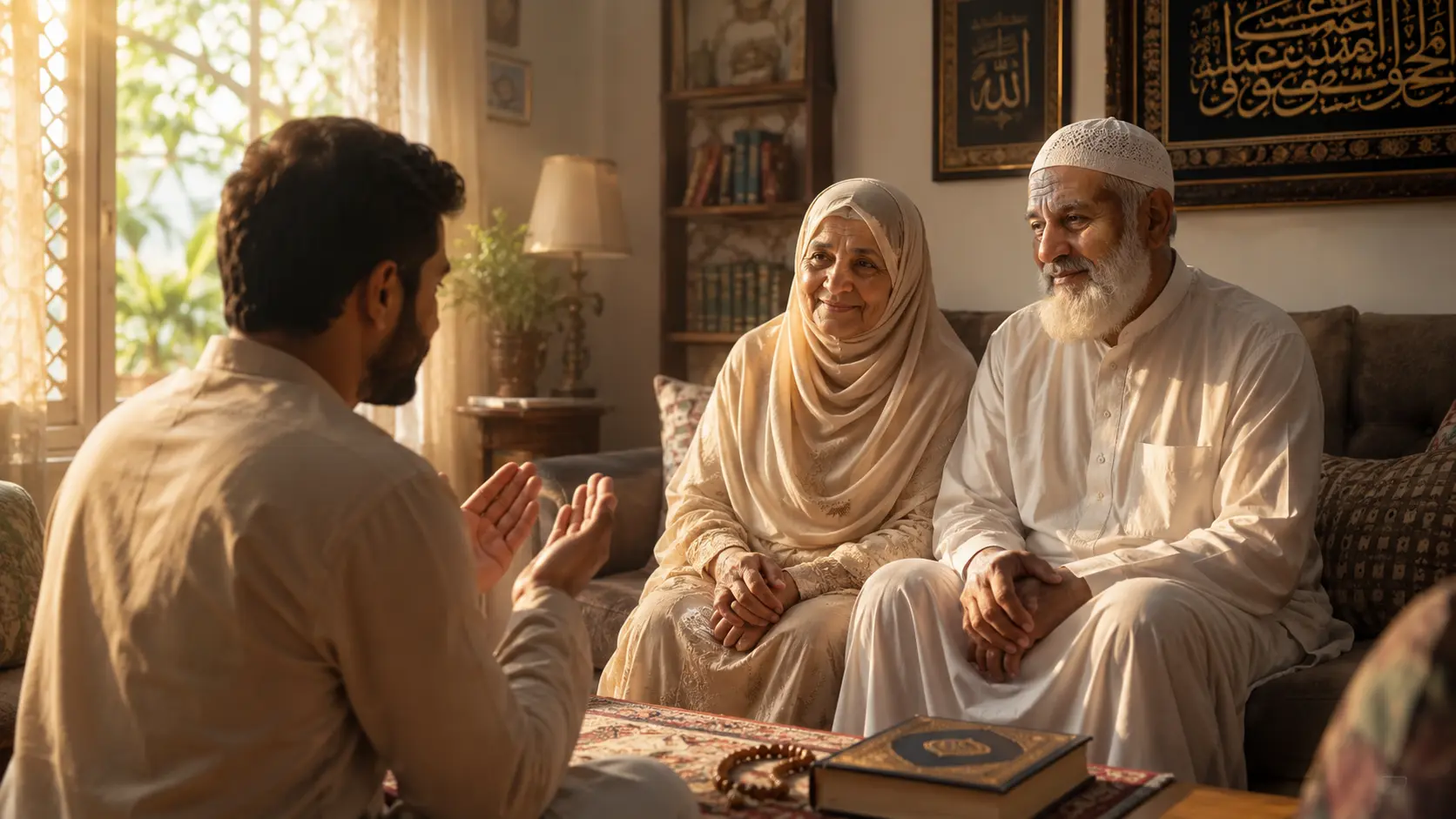
Parents are among the greatest blessings Allah gives us in this world. They sacrifice sleep, comfort, money, and sometimes even their dreams just to make sure their children live better lives. In Islam, honoring parents is not simply good manners; it is a command from Allah. One of the most beautiful ways to honor them is through dua for parents. A sincere prayer made from the heart can become a source of mercy, protection, forgiveness, and endless blessings for both parents and children.
The Quran repeatedly reminds believers to treat parents with kindness, especially when they grow old and weak. Islamic scholars often describe parents as the “doors to Jannah” because serving them sincerely can lead a person toward Paradise. The famous Quranic dua asking Allah to have mercy on parents is one of the most recited supplications among Muslims worldwide. According to Islamic teachings, even after parents pass away, children can continue benefiting them through prayers and righteous deeds.
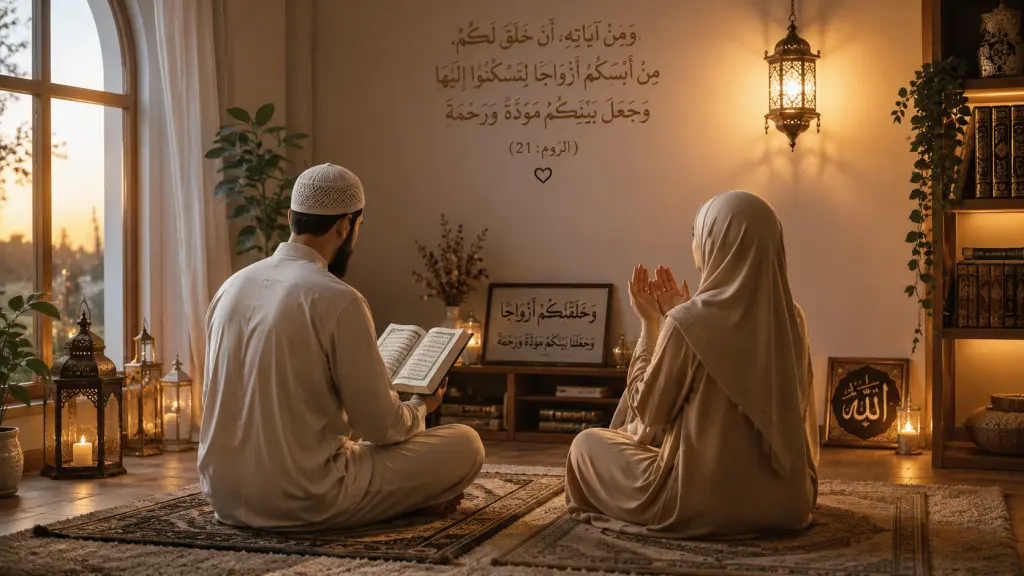
In today’s busy world, many people forget the emotional and spiritual importance of praying for their parents regularly. Life moves fast, distractions grow, and sometimes we only realize the value of our parents when they become ill or leave this world. That is why learning authentic Islamic duas for parents is so important. These prayers strengthen family relationships, soften hearts, and remind us of the sacrifices our parents made when we were helpless children.
Understanding the Importance of Parents in Islam
Why Islam Gives Parents a Special Status
Islam places parents immediately after the worship of Allah in terms of human rights and responsibilities. That ranking alone shows how sacred their status is. The Quran consistently connects obedience to Allah with kindness toward parents, creating a powerful spiritual relationship between faith and family. This connection teaches Muslims that respecting parents is not optional behavior; it is part of true belief.
Think about it for a moment. When a child is born, parents become caretakers twenty-four hours a day. They stay awake during illnesses, work hard to provide food and education, and silently endure stress just to protect their children. Islam recognizes these sacrifices deeply. A mother carries a child through pain and exhaustion, while a father often spends years working tirelessly to support the household. These efforts are not ignored in Islam. Instead, Allah elevates parents to a position of honor.
One of the strongest reminders appears in Surah Al-Isra, where Allah commands believers not even to say “uff” to their parents during old age. That tiny word represents irritation or frustration, showing how carefully Islam protects parents from emotional harm. The Quran also instructs believers to speak gently and lower “the wing of humility” before parents.
Modern family life sometimes weakens these values because technology and busy schedules reduce meaningful communication. Yet Islam continues to offer timeless guidance. Making dua for parents is like watering the roots of a tree. When the roots stay healthy, the entire family grows stronger emotionally and spiritually.
Quranic Teachings About Respecting Parents
The Quran contains several verses emphasizing love, patience, and gratitude toward parents. Among the most famous verses is the command to pray:
“My Lord, have mercy upon them as they brought me up when I was small.” — Surah Al-Isra (17:24)
This verse carries incredible emotional depth. It reminds believers of childhood vulnerability and how parents protected them during their weakest years. Every feeding, every comforting hug, every sleepless night becomes part of the meaning behind this short but powerful dua.
Islamic scholars explain that this supplication teaches humility. Children often become independent adults and forget their dependence on parents during childhood. The Quran gently reverses that arrogance by reminding believers of their beginnings. Just as parents showed mercy to children, children should now ask Allah to show mercy to their parents.
The beauty of Quranic duas lies in their simplicity. They are short enough to memorize yet deep enough to transform hearts. Muslims recite these prayers after salah, during Tahajjud, while traveling, or whenever they remember their parents. These moments create spiritual connections that go beyond words.
What Is Dua and Why It Matters
The Spiritual Power of Supplication
Dua is one of the most intimate forms of worship in Islam. Unlike rituals with fixed actions, dua is deeply personal. It allows believers to speak directly to Allah with hope, fear, gratitude, and sincerity. Scholars often compare dua to a spiritual lifeline connecting the human heart to divine mercy.
When making dua for parents, the prayer carries even greater beauty because it combines worship with gratitude. Imagine planting seeds in fertile soil. Every sincere prayer becomes a seed that may grow into blessings, forgiveness, protection, or healing. Sometimes the results appear immediately, while other times Allah stores the reward for the Hereafter.
Islamic teachings explain that prayers for others, especially parents, hold special value. Even if parents are far away or deceased, dua crosses every barrier. A child may not always have wealth to give or physical strength to help, but they can always raise their hands in prayer.
Many Muslims feel emotional while reciting dua for parents because it touches memories and emotions tied to childhood. The prayer becomes more than words; it becomes a recognition of love and sacrifice. In a world where relationships are often transactional, dua remains pure and sincere.
How Dua Strengthens Family Bonds
Families grow stronger when love is expressed consistently. Dua is one of the most beautiful ways to express that love. Sometimes children struggle to communicate emotions openly with parents, especially in traditional cultures. Prayer becomes a silent language of care and appreciation.
When family members pray for one another regularly, hearts soften naturally. Anger fades more quickly, forgiveness becomes easier, and emotional distance decreases. It is difficult to sincerely ask Allah to bless someone while continuing to hold hatred toward them.
Research in psychology also suggests that gratitude practices improve emotional well-being and strengthen relationships. While Islamic dua is spiritual worship, it also nurtures gratitude. Every time a believer prays for parents, they remember blessings received throughout life.
Children who grow up hearing these prayers often develop stronger respect for elders. This creates a beautiful cycle where kindness passes from one generation to the next. Like candles lighting other candles, spiritual habits spread through families quietly but powerfully.
The Most Famous Dua for Parents From the Quran
Arabic Text of the Dua
The most famous and authentic dua for parents comes directly from the Quran:
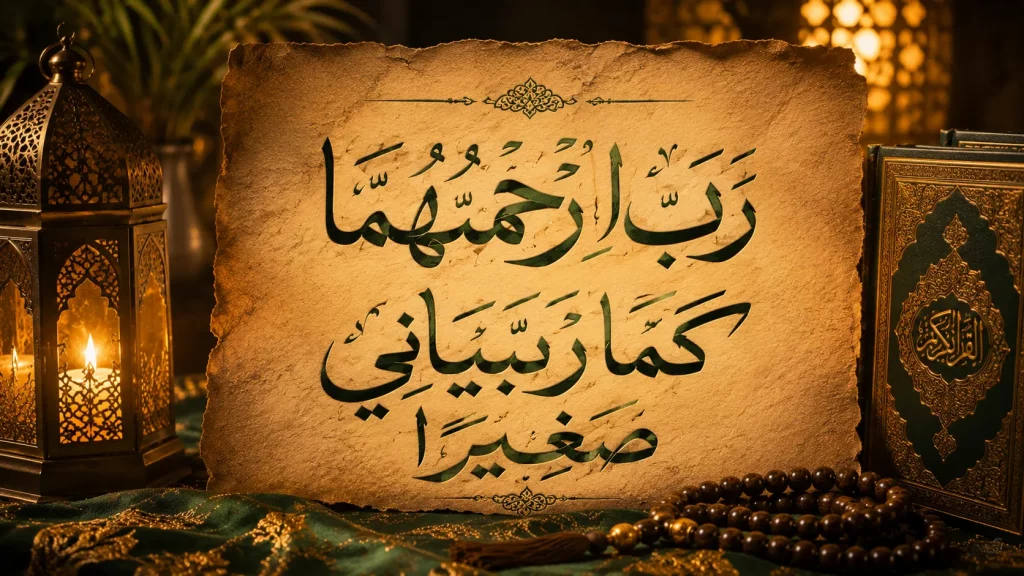
رَّبِّ ارْحَمْهُمَا كَمَا رَبَّيَانِي صَغِيرًا
Transliteration and English Translation
Transliteration:
Rabbi irhamhuma kama rabbayani saghira
Translation:
“My Lord, have mercy upon them as they brought me up when I was small.”
Meaning and Deep Reflection
This short dua contains oceans of meaning. The word “irhamhuma” asks Allah to shower mercy upon parents. Mercy in Islam includes forgiveness, protection, kindness, health, peace, and eternal reward. The dua does not simply ask for temporary comfort; it asks for divine compassion covering every aspect of life and the Hereafter.
The second part of the prayer recalls childhood dependency. As children, we relied entirely on parents for survival. They cleaned us, protected us, taught us, and loved us despite endless challenges. This memory creates humility and gratitude inside the believer’s heart.
There is also emotional beauty in the phrase “when I was small.” It acknowledges that parents loved us even when we had nothing to offer in return. Their care was unconditional. In the same way, children are encouraged to continue loving and praying for parents regardless of age or circumstance.
Many Muslims recite this dua daily after obligatory prayers because it is simple yet deeply meaningful. Repeating it consistently helps maintain a soft heart and prevents arrogance toward parents. Like polishing a mirror regularly, the dua keeps gratitude shining inside the soul.
Dua for Parents’ Forgiveness
Quranic Dua From Surah Ibrahim
Another powerful Quranic prayer asks Allah to forgive parents:
رَبَّنَا اغْفِرْ لِي وَلِوَالِدَيَّ وَلِلْمُؤْمِنِينَ يَوْمَ يَقُومُ الْحِسَابُ
Transliteration:
Rabbana-ghfir li wa liwalidayya wa lilmu’minina yawma yaqumul hisab
Translation:
“Our Lord, forgive me, my parents, and the believers on the Day the account is established.”
This dua expands beyond personal forgiveness and includes the entire Muslim community. It teaches believers to think beyond themselves and care about the salvation of others. Asking forgiveness for parents is one of the greatest gifts children can offer because every human being needs Allah’s mercy.
When to Recite This Dua
This prayer can be recited anytime, but many Muslims choose spiritually special moments such as:
| Best Time | Why It Is Special |
| After obligatory salah | Hearts are focused and spiritually connected |
| During Tahajjud | Night prayers are associated with accepted duas |
| On Fridays | Friday holds blessings in Islam |
| While traveling | Travelers’ duas are highly valued |
| During Ramadan | Rewards and mercy are multiplied |
Consistency matters more than quantity. A sincere dua made daily with humility often transforms hearts more than long occasional supplications.
Dua for Sick Parents
Asking Allah for Healing and Strength
Seeing parents become ill can feel emotionally overwhelming. The people who once cared for us suddenly become dependent on others, reminding us how temporary worldly strength really is. During these moments, dua becomes both a source of comfort and hope.
Muslims often pray:
“O Allah, Lord of mankind, remove the harm and cure them. You are the Healer.”
This supplication reflects complete trust in Allah’s power. Medicine and doctors are important, but healing ultimately comes from Allah alone. Many believers find peace in continuously praying for their parents during illness because it replaces helplessness with hope.
Caring for sick parents is also considered among the greatest acts of worship. Sometimes even sitting beside them, listening patiently, or making them smile becomes more rewarding than many voluntary acts of worship. Islam transforms ordinary acts of kindness into spiritual treasures when done sincerely.
Illness also creates emotional opportunities. Families often become closer during difficult times. Children remember forgotten sacrifices, and parents feel appreciated and loved. Like rain softening hard ground, hardship can soften hearts and rebuild emotional bonds.
Dua for Deceased Parents
Best Supplications for Parents Who Passed Away
One of the greatest sadnesses in life is losing parents. Yet Islam offers comfort by teaching that children can continue benefiting deceased parents through dua. Death may separate bodies, but sincere prayers continue reaching them by Allah’s mercy.
The Prophet Muhammad ﷺ taught that when a person dies, their deeds stop except for ongoing charity, beneficial knowledge, and a righteous child who prays for them. This hadith gives enormous hope to grieving families.
Common duas include prayers for mercy, forgiveness, light in the grave, and entrance into Jannah. Many Muslims regularly recite Quran and donate charity on behalf of deceased parents.
Acts That Continue Rewarding Them
Children can continue honoring deceased parents through:
- Giving charity in their name
- Making dua regularly
- Completing unfinished good deeds
- Maintaining family ties
- Teaching beneficial knowledge
These actions become like ongoing rivers of reward flowing toward parents even after death. Islam beautifully transforms grief into worship and remembrance into reward.
Best Times to Make Dua for Parents
Powerful Moments When Duas Are Accepted
While dua can be made anytime, certain moments are considered especially blessed in Islam. These include the last third of the night, between adhan and iqamah, during rain, while fasting, and after obligatory prayers.
The quietness of Tahajjud is particularly powerful. Imagine the world sleeping while a believer whispers prayers for their parents under the darkness of night. Those moments often carry extraordinary sincerity because distractions disappear and hearts feel closer to Allah.
Consistency also matters greatly. A small daily dua repeated sincerely becomes spiritually powerful over time. Like water slowly shaping stone, regular supplication shapes the soul gradually and beautifully.
Benefits of Making Dua for Parents Daily
Emotional, Spiritual, and Family Benefits
Praying for parents daily creates remarkable emotional and spiritual benefits. It increases gratitude, strengthens patience, and softens arrogance. People who regularly pray for parents often feel more emotionally connected to family and more appreciative of blessings.
Spiritually, dua increases dependence on Allah. It reminds believers that true control belongs only to Him. This awareness builds humility and inner peace. Many Muslims also report feeling emotionally calmer after sincerely praying for loved ones.
Family relationships improve because dua encourages kindness and empathy. Even during disagreements, sincere prayer keeps love alive. It becomes difficult to completely cut emotional ties with someone you regularly ask Allah to bless.
There are also long-term generational effects. Children who witness parents making dua for grandparents often continue the same habit later in life. Family values spread naturally through repeated actions and examples.
Common Mistakes People Make While Making Dua
Forgetting Sincerity and Consistency
One common mistake is making dua only during emergencies. While Allah always listens, believers should build consistent habits rather than remembering prayer only during hardship.
Another mistake is reciting duas mechanically without reflection. Words become more meaningful when believers understand their meanings deeply. Even short duas can transform hearts when recited thoughtfully.
Some people also lose hope if they do not immediately see results. Islamic teachings remind believers that Allah answers prayers in different ways and according to perfect wisdom.
Sincerity remains the heart of every dua. Fancy words are unnecessary. Allah listens to honest hearts more than eloquent speeches.
Teaching Children the Dua for Parents
Easy Ways to Help Kids Memorize the Dua
Children learn best through repetition, love, and example. Parents can teach the famous Quranic dua by reciting it after daily prayers together. Kids often memorize naturally when they hear something repeatedly in a peaceful environment.
Visual learning also helps. Hanging Islamic calligraphy with the dua in bedrooms or study areas keeps the prayer visible daily. Some families create bedtime routines where children recite the dua before sleeping.
Storytelling is another powerful method. When children hear stories about parental sacrifice and Islamic teachings on kindness, they connect emotionally with the dua rather than treating it as memorization only.
Teaching children these prayers plants seeds of gratitude early in life. Like young trees guided gently while growing, children develop stronger character when raised with consistent spiritual habits.
Conclusion
The dua for parents is one of the most beautiful and emotionally powerful supplications in Islam. It combines gratitude, humility, love, and worship into a few heartfelt words. Whether parents are alive, elderly, sick, or deceased, sincere prayers remain among the greatest gifts children can offer them.
In a world filled with distractions and busy schedules, taking a few moments daily to pray for parents can transform hearts and relationships. These duas remind believers of childhood memories, sacrifices made by parents, and the mercy of Allah that surrounds families.
Parents spend years raising children with patience and unconditional love. Making dua for them is a small but deeply meaningful way to honor those sacrifices. Sometimes the simplest prayers carry the greatest weight in the sight of Allah.
1. What is the best dua for parents in Islam?
The most authentic dua is from Surah Al-Isra (17:24):
Rabbi irhamhuma kama rabbayani saghira
“My Lord, have mercy upon them as they brought me up when I was small.”
2. Can I make dua for deceased parents?
Yes. Islam strongly encourages praying for deceased parents. Dua, charity, and righteous deeds can continue benefiting them after death.
3. When is the best time to make dua for parents?
The best times include after salah, during Tahajjud, on Fridays, while fasting, and during Ramadan.
4. Can I make dua for parents in my own language?
Yes. While Quranic duas are highly recommended, believers may also pray sincerely in their own language.
5. Why is making dua for parents important in Islam?
Because Islam highly values parental rights and gratitude. Praying for parents strengthens family bonds and earns spiritual rewards.