Humbistari Ki Dua _ Authentic Islamic Dua Before Intimacy, Benefits, Translation
Marriage in Islam is not just a social contract or a cultural tradition. It is a sacred relationship built on love, mercy, trust, and spirituality. One beautiful aspect of Islam is that it guides Muslims in every part of life, even the most private moments between husband and wife. Humbistari ki dua is one of those meaningful supplications taught by Prophet Muhammad ﷺ to seek Allah’s protection and blessings before intimacy. Many Muslims search for this dua because they want to follow the Sunnah properly and maintain purity in their married life.
In today’s fast-moving digital world, people often learn about relationships from movies, social media, or cultural myths. Islam, however, provides a respectful and balanced approach. The religion does not treat intimacy as something shameful. Instead, it teaches that halal intimacy between spouses can even become an act of reward when done with the right intention. Reading the dua before intimacy is like placing a spiritual shield around your relationship. It reminds the couple that Allah is present in every aspect of life, including moments of closeness and affection.
Authentic Islamic sources confirm the importance of this supplication. According to narrations found in Sahih Bukhari and Sahih Muslim, the Prophet ﷺ taught believers to recite a specific dua before intimacy so that Shaytan stays away from them and from any child Allah may bless them with. This guidance highlights the deep spiritual wisdom within Islam. Even something as personal as marital relations becomes connected with faith, purity, and protection.
What Is Humbistari Ki Dua in Islam?
The phrase “Humbistari ki dua” refers to the Islamic supplication recited before marital intimacy between husband and wife. In Urdu-speaking communities, the word “humbistari” commonly means physical relations between spouses. Islam teaches Muslims to begin important actions with the remembrance of Allah, whether it is eating food, leaving the house, traveling, or entering into intimacy with one’s spouse. This practice keeps the believer spiritually aware and connected to Allah in daily life.
Another important point is that Islam views intimacy between husband and wife positively when it occurs within halal boundaries. The Prophet Muhammad ﷺ even explained that spouses receive reward for fulfilling each other’s needs in a lawful way. That perspective is refreshing because it balances spirituality with human emotions and desires. Instead of suppressing natural feelings, Islam channels them into a pure and respectful relationship.
Meaning of Humbistari in Islamic Teachings
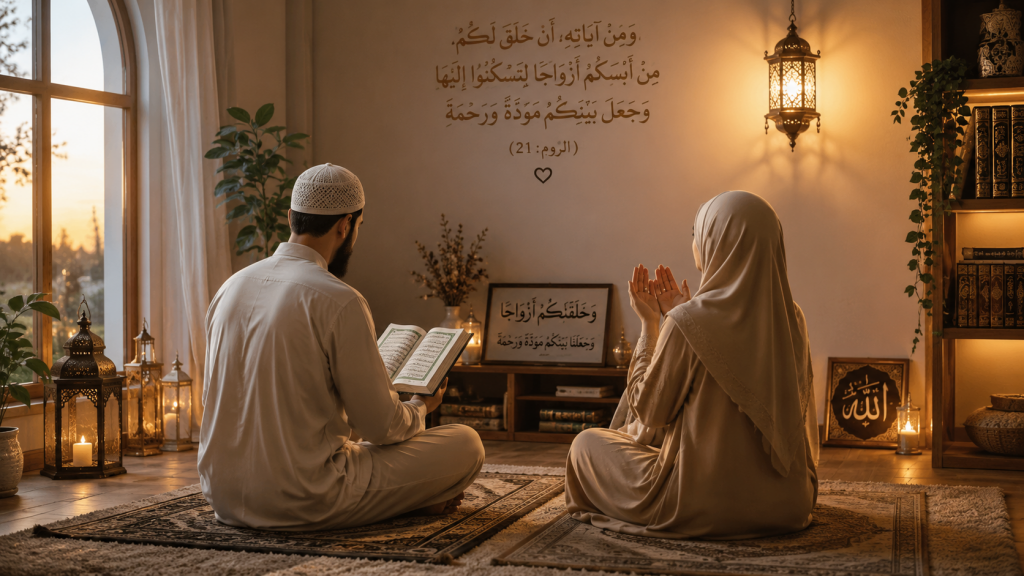
In Islamic teachings, intimacy is not merely physical interaction. It represents affection, mercy, emotional bonding, and the continuation of family lineage. Allah mentions in the Quran that spouses are garments for one another, symbolizing comfort, protection, and closeness. This beautiful metaphor shows the depth of the marital relationship in Islam.
The term “humbistari” itself may not appear directly in Arabic Islamic texts, but the concept is strongly emphasized through Quranic verses and Hadith. Islam encourages husband and wife to treat each other kindly, fulfill each other’s rights, and maintain respect even in private moments. The dua before intimacy reflects this respectful attitude by reminding couples to begin with Allah’s name.
Why Muslims Recite Dua Before Intimacy
Muslims recite this dua because it was taught by Prophet Muhammad ﷺ and carries authentic blessings. The supplication asks Allah to keep Shaytan away from the couple and any offspring that may result from the relationship. According to authentic Hadith, if a child is conceived after this dua, Shaytan will not harm that child.
This shows how Islam connects physical actions with spiritual awareness. Just as Muslims say “Bismillah” before eating, they also seek Allah’s protection before intimacy. It transforms a private act into an opportunity for worship and remembrance of Allah.
Authentic Humbistari Ki Dua in Arabic
The authentic dua before intimacy is simple yet deeply meaningful. It has been narrated in several authentic Hadith collections and remains widely practiced by Muslims around the world.
Arabic Text of the Dua
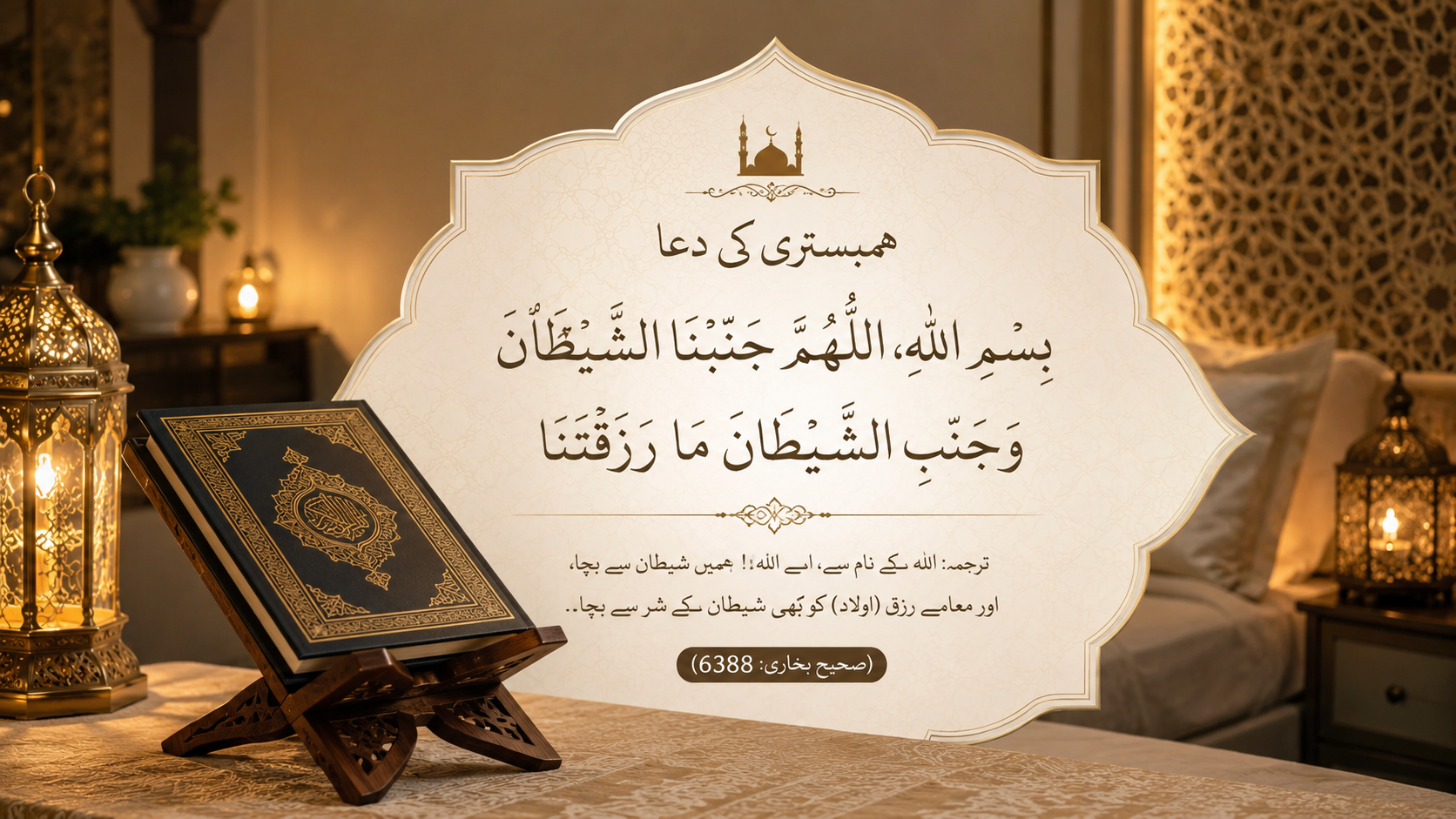
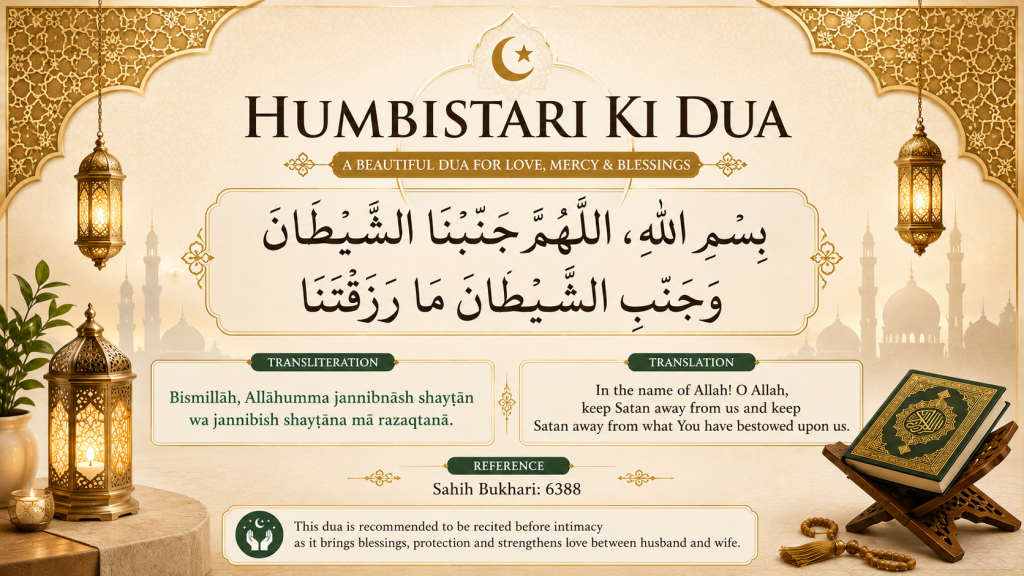
بِسْمِ اللَّهِ، اللَّهُمَّ جَنِّبْنَا الشَّيْطَانَ، وَجَنِّبِ الشَّيْطَانَ مَا رَزَقْتَنَا
English Translation
“In the name of Allah. O Allah, keep Shaytan away from us and keep Shaytan away from what You may bless us with.”
This dua is short enough to memorize easily, yet powerful enough to become part of a Muslim’s regular marital life. Many scholars encourage couples to learn the transliteration if they cannot read Arabic fluently. The key is sincerity and intention.
Hadith Reference of Humbistari Ki Dua
One reason this dua is highly respected is because it comes directly from authentic Hadith sources. Muslims rely on verified narrations when practicing acts of worship and Sunnah.
| Hadith Source | Reference | Main Teaching |
| Sahih Bukhari | Hadith 141, 3271, 6388 | Protection from Shaytan |
| Sahih Muslim | Hadith 1434 | Blessings for offspring |
| Abu Dawud | Hadith 2161 | Sunnah before intimacy |
| Jami At-Tirmidhi | Hadith 1092 | Spiritual protection |
Sahih Bukhari Reference
According to Ibn Abbas (RA), the Prophet Muhammad ﷺ said that if a person says this dua before intimacy and a child is conceived, Shaytan will not harm the child. This narration highlights the protective nature of the dua and the importance of remembering Allah during important moments in life.
Sahih Muslim Reference
Sahih Muslim also records this narration, confirming its authenticity and importance in Islamic teachings. Scholars across different schools of thought accept this dua as Sunnah and recommend practicing it regularly.
Benefits of Reading Humbistari Ki Dua
Reading the dua before intimacy carries several spiritual and emotional benefits. Islam never introduces practices without wisdom, and this dua is no exception.
Protection From Shaytan
One of the main benefits mentioned in Hadith is protection from Shaytan. Islam teaches that Shaytan constantly tries to create problems in human relationships. By remembering Allah before intimacy, couples spiritually guard themselves from evil influences. It is similar to locking the doors of your home before sleeping. You may not see danger directly, but taking precautions provides security and peace of mind.
Blessings for Future Children
The Hadith specifically mentions protection for children conceived after this dua is recited. Parents naturally want the best for their future children. Reading this supplication reflects the desire for righteous and protected offspring. In many Muslim families, elders emphasize this dua because they see it as a source of barakah and spiritual care for future generations.
Strengthening the Spiritual Bond
Couples who remember Allah together often develop stronger emotional and spiritual connections. Saying this dua together reminds husband and wife that their relationship is built not only on attraction but also on faith and mutual respect. It creates an atmosphere of trust, comfort, and halal affection.
Islamic Etiquettes of Intimacy
Islamic teachings about intimacy are balanced and respectful. They encourage spouses to fulfill each other’s needs while maintaining modesty and dignity.
Privacy and Modesty
Islam strongly emphasizes privacy in marital matters. Couples should avoid discussing intimate details with friends, relatives, or on social media. In today’s age of oversharing, this guidance feels more important than ever. Protecting private moments preserves dignity and strengthens trust between spouses.
Cleanliness and Purity
Islam values cleanliness in every area of life. Scholars recommend maintaining personal hygiene before and after intimacy. Ghusl becomes obligatory afterward, ensuring spiritual and physical purity. This combination of hygiene and spirituality reflects Islam’s practical wisdom.
Respect Between Husband and Wife
Respect is the foundation of a healthy marriage. Islam encourages kindness, gentleness, and emotional care between spouses. Intimacy should never become selfish or harmful. Instead, it should strengthen love and compassion.
Common Mistakes Muslims Make
Many Muslims know about the dua but sometimes misunderstand its purpose or forget related etiquettes.
Forgetting the Dua
One common mistake is rushing into intimacy without remembering Allah. Modern lifestyles often make people distracted, but building the habit of reciting this dua can bring consistency and mindfulness into married life.
Sharing Private Marital Matters
Another mistake is discussing intimate experiences publicly. Islam discourages exposing private details because it damages modesty and respect within marriage.
Can Dua Be Read in Any Language?
The original Arabic wording is preferred because it comes directly from the Sunnah. However, if someone cannot pronounce Arabic properly, they may learn the transliteration gradually while understanding the meaning in their own language. Islam values sincerity and effort. Learning the dua step by step is completely acceptable for new Muslims or those unfamiliar with Arabic pronunciation.
Importance of Halal Relationship in Islam
Islam places great emphasis on halal relationships because they protect society, families, and individuals from emotional and spiritual harm. Marriage creates stability, trust, and lawful companionship. In contrast, unlawful relationships often lead to emotional confusion and broken trust. The dua before intimacy symbolizes that marital closeness is not random or meaningless. It is part of a sacred bond recognized by Allah.
When spouses begin intimacy with Allah’s name, it changes the entire perspective of the relationship. The moment becomes connected with faith rather than mere physical desire. This approach creates balance between worldly needs and spiritual consciousness.
How Islam Views Marital Intimacy
Islam’s approach to intimacy is realistic, balanced, and respectful. Unlike cultures that treat the topic as taboo or shameful, Islam addresses it openly but modestly. The Prophet Muhammad ﷺ educated companions about marital matters with wisdom and dignity. This helped Muslims understand that intimacy within marriage is natural and rewarded when approached correctly.
The beauty of Islam lies in its completeness. It guides believers not only in public worship but also in private behavior. Even the shortest dua can transform an ordinary act into an act connected with faith and remembrance of Allah.
Conclusion
Humbistari ki dua is a beautiful Sunnah that reflects the spiritual depth of Islam. It reminds Muslims that every aspect of life can become meaningful when connected with Allah’s remembrance. This authentic supplication protects spouses from Shaytan, brings blessings into marriage, and seeks goodness for future children. Authentic narrations from Sahih Bukhari and Sahih Muslim confirm its importance and reward. Marriage in Islam is based on mercy, love, and respect. The dua before intimacy strengthens those values by turning private moments into acts filled with spirituality and mindfulness. In a world where relationships are often reduced to temporary attraction, Islamic teachings provide a stable and respectful foundation. Couples who follow these teachings often discover that true closeness comes not only from physical connection but also from shared faith and mutual respect.
Is Humbistari Ki Dua compulsory?
No, it is not compulsory, but it is a highly recommended Sunnah of Prophet Muhammad ﷺ.
Can newly married couples read this dua together?
Yes, husband and wife can both recite or remember the dua before intimacy.
What happens if someone forgets the dua?
Nothing sinful occurs, but they miss the spiritual blessings and protection associated with the Sunnah.
Is intimacy considered worship in Islam?
Yes, intimacy between husband and wife can become an act of worship when done with halal intention and respect.
Which hadith mentions Humbistari Ki Dua?
The dua is mentioned in Sahih Bukhari and Sahih Muslim through narrations of Ibn Abbas (RA).